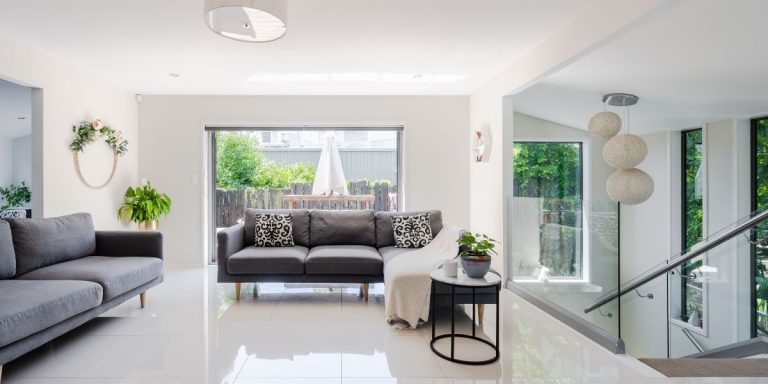




Audio and video systems are often treated as simple purchases. Someone buys a television, adds speakers, connects a streaming device, and hopes everything works well together. Sometimes that is enough for basic use, but when people want a better experience, the planning matters much more. The right system can make a living room feel more comfortable, a theatre room more immersive, a music space more enjoyable, and a business environment more polished.
Good AV design is not only about expensive equipment. It is about matching the right products to the right room and making sure everything works together smoothly. A powerful speaker system can still disappoint if the room is not considered. A large screen can feel uncomfortable if it is placed too high or too close. A premium receiver can feel frustrating if the controls are too complicated for everyday use.
For people exploring luxury audio video systems, the most important question is not simply what to buy. It is how the full setup will improve the way the space is used.
The Experience Should Come First
Before choosing equipment, it helps to think about the experience the user wants. A family may want a simple entertainment setup for movies, streaming, and sports. A music lover may want rich, detailed stereo sound. A gamer may care about fast response, strong visuals, and immersive audio. A business may need reliable displays and sound for meetings, presentations, or customer areas.
Each goal requires a different approach. A home theatre system is different from a two-channel music setup. A commercial display is different from a living room television. Outdoor audio has different needs than indoor speakers. When the experience is clear, product choices become easier.
This kind of planning prevents people from buying equipment that looks impressive but does not match their actual habits. A system should support daily life, not create confusion.
The best AV setup feels natural because it is built around how people really use the space.
The Room Shapes the Final Result
Every room affects performance. Sound moves differently in a small room than it does in a large open space. Hard floors, glass windows, high ceilings, furniture, wall materials, and room shape can all change the way audio feels. Video quality is also affected by lighting, reflections, viewing distance, and screen placement.
This is why the same speaker or display may perform differently in different spaces. A projector may look excellent in a dark theatre room but washed out in a bright living room. A speaker may sound detailed in one room but echo-heavy in another. A large screen may seem exciting but feel uncomfortable if the seating distance is too short.
Planning around the room helps avoid these issues. Speaker placement, screen size, seating position, and equipment location should all work together.
A well-designed AV system respects the room instead of forcing products into it.
Better Sound Creates More Immersion
Sound is one of the most powerful parts of an audio and video experience. Clear dialogue makes movies easier to follow. Strong bass adds energy to action scenes and music. Balanced speakers make sound feel natural instead of harsh or thin. Proper placement can make the listener feel surrounded by the experience.
Many people upgrade their screen first, but sound often has the bigger emotional impact. A great display with weak audio can still feel incomplete. People may struggle to hear voices, feel disconnected from music, or miss the depth that makes entertainment engaging.
For people comparing home theatre and stereo equipment, it is important to consider how audio will be used. A surround sound system may be ideal for movies and gaming. A stereo setup may be better for focused music listening. Multi-room audio may be best for people who want music throughout the home.
The right sound system brings the space to life.
Video Should Be Comfortable and Clear
A good video setup should be enjoyable to watch for long periods. This means choosing the right screen size, height, brightness, and display type for the room. Bigger is not always better. A screen that is too large for the viewing distance can feel overwhelming. A television mounted too high can become uncomfortable. A projector in a bright room may not deliver the expected picture quality.
Different users have different video needs. Movie lovers may value contrast and cinematic image quality. Sports fans may care about motion handling. Gamers may need modern connections and low input lag. Businesses may need displays that are bright, reliable, and easy to see from different parts of the room.
Good video planning balances impact with comfort. The screen should feel impressive, but it should also fit naturally into the space.
When the display is chosen correctly, the experience feels smooth and enjoyable.
A Home Theatre Should Be Practical, Not Just Powerful
A home theatre can be one of the most exciting upgrades for a property. It can make movies, sports, concerts, and games feel more immersive. However, a great theatre room is not only about power. It also needs comfort, balance, and usability.
The seating distance should match the screen. Speakers should be positioned carefully. The subwoofer should add depth without overwhelming the room. Lighting should support the viewing experience. Controls should be simple enough that the system gets used regularly.
If a theatre room is too complicated, people may avoid using it. If the sound is too aggressive, it may become tiring. If the picture is poorly placed, it may not feel comfortable.
A successful home theatre creates excitement without sacrificing ease of use.
Music Systems Need a Personal Approach
Music listening is different for everyone. Some people want detailed sound for vinyl records. Others want easy streaming throughout the home. Some want powerful audio for entertaining. Others prefer warm, natural sound for quiet listening.
Because music is personal, the system should match the listener. Speaker choice, amplifier quality, source equipment, room layout, and placement all matter. A setup that works well for movies may not be ideal for someone who cares deeply about music detail.
A dedicated stereo system can provide a more focused listening experience. Multi-room audio can make music more convenient throughout the property. Outdoor audio can extend entertainment to patios, decks, and backyards.
The right music system can turn ordinary daily moments into more enjoyable experiences.
Commercial AV Needs Reliability
Businesses use audio and video systems in many different ways. Offices need displays and sound for meetings. Retail stores may use music and screens to shape customer experience. Restaurants may need background audio that supports the mood. Showrooms may use video to present products. Service businesses may need clean, reliable systems that staff can operate easily.
In commercial spaces, reliability is especially important. Equipment should work consistently, controls should be simple, and the system should not create unnecessary interruptions. Poor sound, messy wiring, or confusing controls can affect both staff and customers.
A well-planned commercial AV system helps the space feel more professional. It can support communication, atmosphere, and daily operations.
The best business systems are practical, polished, and built for regular use.
Compatibility Prevents Future Problems
A strong AV system depends on compatibility. The display, receiver, speakers, subwoofer, streaming devices, gaming consoles, projector, control systems, and wiring all need to work together. When products are chosen separately without planning, the system may become harder to use or fail to perform properly.
Compatibility affects sound quality, picture quality, device control, cable needs, power requirements, and upgrade options. A speaker system may need the right amplifier. A projector may need the right screen. A television may need the right connections for gaming or streaming. A receiver may need enough flexibility for future upgrades.
Planning compatibility early helps protect the investment. It also reduces frustration because the system works as a complete setup rather than a collection of separate devices.
Installation Can Make or Break the Setup
Installation has a major effect on the final result. Even excellent equipment can look messy or perform poorly if it is not installed correctly. Speaker placement, mounting height, cable management, equipment ventilation, system configuration, and calibration all matter.
A clean installation makes the space feel more organized. Hidden or managed cables create a more polished appearance. Proper speaker placement improves clarity and immersion. Correct screen positioning makes viewing more comfortable. Proper setup ensures the equipment performs closer to its full potential.
Installation is not only about connecting devices. It is about making the system feel finished, reliable, and easy to use.
A good installation turns equipment into an experience.
Controls Should Be Simple
One of the biggest frustrations with audio and video systems is complicated control. If people need several remotes, confusing menus, or repeated troubleshooting, the system becomes less enjoyable. The best setup should feel easy to use every day.
A family should be able to watch a movie without technical confusion. A business team should be able to start a presentation without wasting time. A music listener should be able to play audio without switching between too many devices.
Simple control planning may involve organizing inputs, choosing compatible devices, using smart control options, or designing the system around common habits.
Technology should feel helpful, not stressful. When the controls are simple, people use the system more often and enjoy it more.
Clean Design Matters in Modern Spaces
Many homes and businesses want strong technology without clutter. A clean AV setup should blend into the space. Screens, speakers, wires, devices, mounts, and racks should be placed thoughtfully so the room still feels organized.
Visible cables, crowded shelves, poorly placed speakers, and oversized equipment can make a premium system feel unfinished. Clean design helps the technology support the room rather than dominate it.
Some spaces may benefit from wall-mounted displays, hidden wiring, in-wall speakers, equipment racks, or careful furniture planning. Other spaces may only need simple cable management and better placement.
A good AV system should look as considered as it sounds.
Expert Guidance Helps Customers Buy Smarter
Audio and video equipment can be a significant investment, so informed decisions matter. Without guidance, people may buy products that are too powerful, too limited, poorly matched, or not suitable for the room.
Expert advice helps customers understand what matters most. It can clarify which features are useful, which upgrades are worth the cost, and which products fit the long-term plan. Sometimes the best choice is not the most expensive product. It is the one that solves the right problem.
For people looking for AV solutions for modern living spaces, knowledgeable guidance can make the process easier and help avoid costly mistakes.
The right advice turns a confusing purchase into a more confident decision.
Future Upgrades Should Be Planned Early
Many AV systems grow over time. A homeowner may start with better speakers, then add a receiver, subwoofer, or projector later. A business may begin with one display and later expand into additional rooms. A music lover may start with one stereo setup and upgrade components gradually.
Planning ahead makes future upgrades easier. The right wiring, equipment choices, speaker layout, and control setup can create a strong foundation. This reduces the need to replace everything later.
A good system should meet current needs while leaving room for growth. This makes the investment more flexible and practical.
Smart planning helps the system stay useful as needs change.
Building a Better Everyday AV Experience
A well-planned audio and video system improves the way people use a space. It can make movies more immersive, music more enjoyable, gaming more exciting, meetings more effective, and business environments more professional. But the best systems are not built by accident.
They come from thoughtful planning, compatible equipment, proper installation, clean design, and an understanding of how people actually live and work. A strong AV setup should feel clear, reliable, simple to use, and suited to the room.
Whether someone is upgrading a living room, building a theatre, improving a music space, or planning a commercial AV system, the right approach makes all the difference. With careful choices and dependable support, audio and video can become a lasting part of a better everyday experience.